Avoid Closing Delays by Tackling Common Home Inspection Problems Early
For first-time homebuyers, repeat buyers, and sellers trying to keep a transaction on schedule, the toughest closing process challenges often show up after the home inspection report lands. Home inspection issues can turn into real estate closing delay when property condition reporting raises questions, timelines tighten, and an inspection contingency becomes a negotiation instead of a checkbox. Buyers and sellers can feel trapped between what the contract allows, what repairs seem reasonable, and what everyone needs to proceed. Clarity on what tends to derail deals helps prevent last-minute surprises from dictating the outcome.
Quick Summary: Prevent Inspection Delays
-
Identify common inspection problems early to reduce last minute closing surprises.
-
Look for buyer warning signs during walkthroughs to flag issues before inspections.
-
Clarify seller repair responsibilities in writing to avoid negotiation delays.
-
Prepare repair documentation to clear lender underwriting hurdles with less back-and-forth.
Build a Single Repair Paperwork Packet Underwriters Can Approve Fast
Once you know which inspection findings most often stall a deal, the next fastest win is preventing paperwork ping-pong as the fixes start. Inspection documentation rarely stays “finished” after the report lands, new details keep surfacing as you get contractor estimates, complete repairs, pull permits, take photos, or bring in specialists for further evaluation. Instead of letting those items live in scattered emails and attachments, keep one lender- and agent-ready PDF that grows as the situation evolves. Tools to easily add pages to a PDF make it simple to insert new pages into the same file, so you can update the original inspection report with supporting documents without rebuilding everything from scratch.
Keeping all related materials together in one continuously updated packet creates a clearer record: reviewers can see the original finding and the corresponding estimate, invoice, permit, photo, or specialist note in one place, in the order it happened. That completeness makes the file easier to review and easier to share, exactly what helps underwriting move faster when timelines get tight. With your repair packet in place, you’re ready to tackle the most common inspection issues one by one, including what to look for and what repairs are realistically quick.
Fix the Big 5 Fast: Signs, Slowdowns, and Realistic Repairs
The fastest closings happen when you spot the “big five” inspection risks early and choose repairs that are both credible and easy for a lender to verify. Use the tips below to identify red flags, prevent negotiation gridlock, and keep your repair paperwork packet clean and underwriter-friendly.
-
Treat roof warning signs as a lender-timing emergency: Look for missing/curled shingles, soft spots, granules collecting in gutters, interior water stains, or flashing that’s lifted around chimneys and vents, these often trigger insurance or lender requirements before funding. The quickest credible path is a licensed roofer’s written evaluation plus a targeted repair (flashing reseal, shingle replacement, boot/vent repair) or a certification letter stating remaining life. Add the roofer’s report, paid invoice, and any permit/inspection sign-off to your single repair PDF so it’s easy to approve.
-
Stabilize HVAC with “safe, functional, documented” fixes: HVAC system problems slow closings when the unit won’t heat/cool reliably, shows unsafe operation (burner issues, gas odors, CO concerns), or has visible damage/rust at key components. Start by running the system through a full cycle and checking for weak airflow, unusual noises, inconsistent temperatures, or repeated short-cycling. A same-week service call with a technician’s diagnostic report plus a tune-up/repair receipt is often faster than replacement and may satisfy appraisal/underwriting if it restores normal operation; include model/serial info and proof of completion in your packet.
-
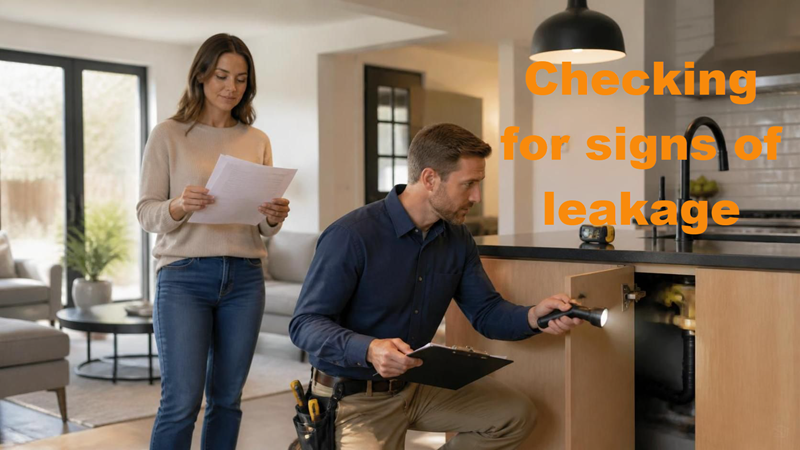
Confirm and contain plumbing leaks before they become “active water damage”: Under sinks and around toilets, look for damp cabinet bottoms, corrosion at shutoff valves, bubbling paint, musty smells, or water meter movement when all fixtures are off. Active leaks can force re-inspections and reopen negotiations because they imply ongoing damage and mold risk. Quick wins include replacing supply lines and shutoff valves, re-setting a toilet with a new wax ring, repairing a trap, or patching a small pipe section, then document with before/after photos, an invoice, and a brief plumber note stating the leak is resolved and the area is dry.
-
Address electrical safety concerns with a “panel-to-plug” triage: Lenders and insurers get cautious with double-tapped breakers, exposed splices, missing GFCI/AFCI protection where expected, scorched outlets, or outdated/problematic panels. Walk the home and test GFCIs, check for loose outlets, and note any warm switch plates or flickering lights, then prioritize safety corrections that are straightforward for an electrician to certify. Common fast fixes include adding GFCI outlets, correcting open junctions, installing proper covers, labeling the panel, and remedying double taps; attach the electrician’s invoice and a completion statement to your lender-ready PDF.
-
Separate “foundation crack” cosmetics from structure using a written opinion: Not every crack is a crisis, but lenders can pause when they see stair-step masonry cracks, horizontal cracks, significant displacement, or doors/windows that suddenly don’t latch, those suggest movement. Take dated photos with a ruler for scale, note whether the crack is widening, and check for related drainage issues (downspouts dumping near the foundation, negative grading). The fastest credible repair path is often a structural engineer’s letter (scope and severity) plus a targeted fix like epoxy injection for non-structural cracks or drainage/grading corrections; keep the engineer report, contractor invoice, and any permits together.

-
Make “timely repair solutions” easier to approve with one clean verification trail: As soon as you schedule any of these repairs, create a one-page summary in your repair packet listing the issue, contractor, date scheduled, expected completion, and what proof will be provided (invoice, permit, photo, certification). This reduces back-and-forth because everyone, buyer, agent, lender, and appraiser, can see the same status and supporting documents. When the repair is done, insert the final proof immediately so a re-inspection (if required) is quick and predictable.
Pre-Inspection Prep Checklist to Protect Closing Dates
This checklist turns inspection stress into a simple sequence you can finish in a weekend. Use it to prevent surprises, speed up repair approvals, and keep everyone working from the same facts.
✔ Walk the property and flag roof, HVAC, plumbing, electrical, and foundation concerns
✔ Schedule licensed pros for any safety or water intrusion items first
✔ Take photo documentation of each problem and the completed fix
✔ Get written notes that state “repaired,” “safe,” or “functional” in plain language
✔ Collect invoices, permits, and sign-offs into one lender-ready PDF
✔ Share repair status updates with your agent and the other side weekly
✔ Escalate new findings and report it immediately to your contractor or team
Finish the packet, share it early, and you reduce last-minute rechecks and delays.
Prevent Closing Delays With Proactive Inspection Follow‑Through
Inspection reports can easily stall a deal when questions linger, repairs drift past deadlines, or documentation stays scattered. The fix is a proactive inspection management mindset: treat inspection contingency resolution as a shared timeline, with clear decisions, steady updates, and paperwork that supports effective real estate negotiation rather than reopening it. When the process stays transparent, a collaborative selling process feels less stressful, and timely transaction closings become the default instead of the exception. Clear timelines, shared updates, and clean receipts keep inspections from delaying closing.
This information should help to Avoid Closing Delays by Tackling Common Home Inspection Problems Early. A home inspection can reveal many issues with maintenance. Maintenance done today will mean price reduction in the cost of maintenance in the future.
Avoid Closing Delay by Tackling Common Home Inspection Problems Early issues Author Julian Lane