How Flood Barriers for Homes Help Reduce Water Damage
Learn how flood barriers for homes help reduce water damage – Flooding is becoming a growing concern for homeowners, in regions where weather patterns are changing quickly. In Australia, for example, many areas that were once considered low-risk are now experiencing heavier rainfall and more frequent storms. It is not always sudden or dramatic. Sometimes water builds up slowly, and by the time it is noticed, damage has already begun.
More homeowners are now focusing on prevention rather than repair. A flood barrier for home is the most practical way to reduce the risk of water entering the property and causing long-term damage.
This article covers how flood barriers work, the types available, and how they help protect homes from water damage.
Looking Closer at Water Damage in Residential Properties
Water damage can start in simple ways. Heavy rain, blocked drains, nearby construction, or even poor landscaping can lead to water collecting around a property. Over time, this water can find its way inside.
The impact is not always immediate, but it builds. Walls can absorb moisture, floors may weaken, and foundations can slowly lose strength. Electrical systems are also at risk, which creates safety concerns beyond property damage.
Another issue is mould and mildew. These can develop quickly in damp conditions and are difficult to remove completely. They also affect indoor air quality, which can lead to health concerns over time.
Financially, the effects can be significant. Repairs go beyond surface fixes and may involve structural work. In some cases, people underestimate how long recovery can take.
What Is a Flood Barrier for Home?
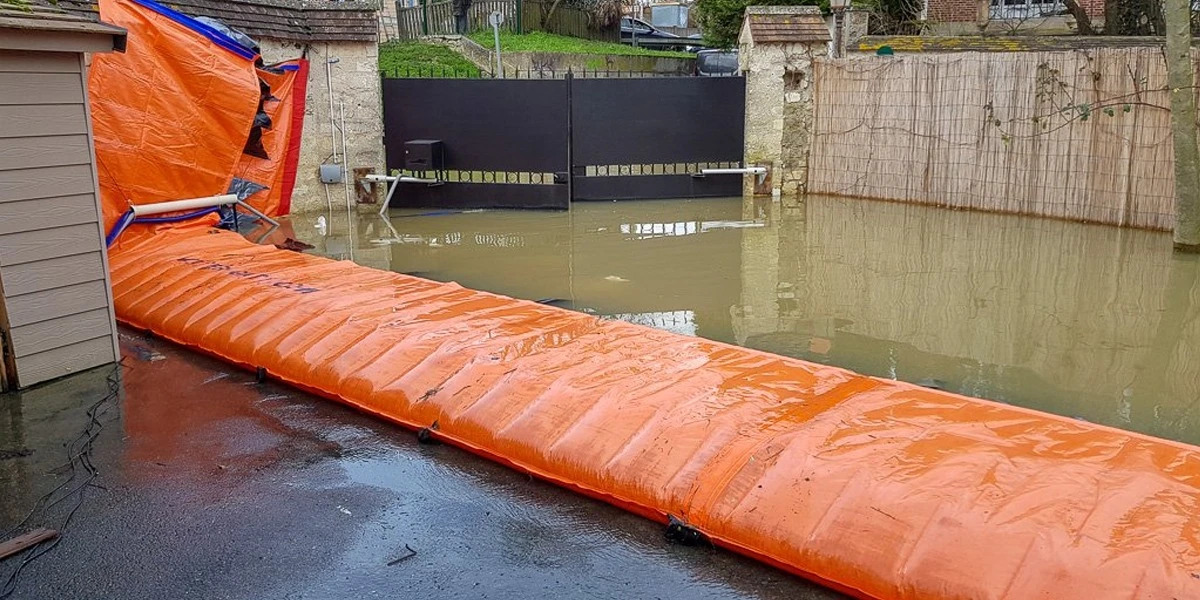
A flood barrier for home is a system designed to prevent water from entering a property or to control its movement around it. These barriers are installed at key entry points such as doors, garages, and low-level openings.
There are several types available. Temporary barriers are commonly used because they can be stored and set up when needed. Demountable barriers offer more strength and can be assembled in sections.
Passive or automatic barriers are designed to activate when water levels rise. These are useful when there is little time to respond. Manual barriers are also widely used and can be effective when installed correctly.
In addition to barriers, supporting tools such as pumps and non-return valves are included. These help manage water flow and prevent backflow from drainage systems.
How Flood Barriers Reduce the Risk of Damage
1. Redirecting Water Flow
Some barriers are designed to guide water away from the property instead of blocking it. This can help protect the structure and the surrounding land. In many cases, redirecting water reduces the pressure on building.
2. Protecting Structural Integrity
Water creates pressure against walls and foundations. Over time, this can lead to cracks or weakening. Flood barriers help reduce this pressure by controlling how water collects around the property.
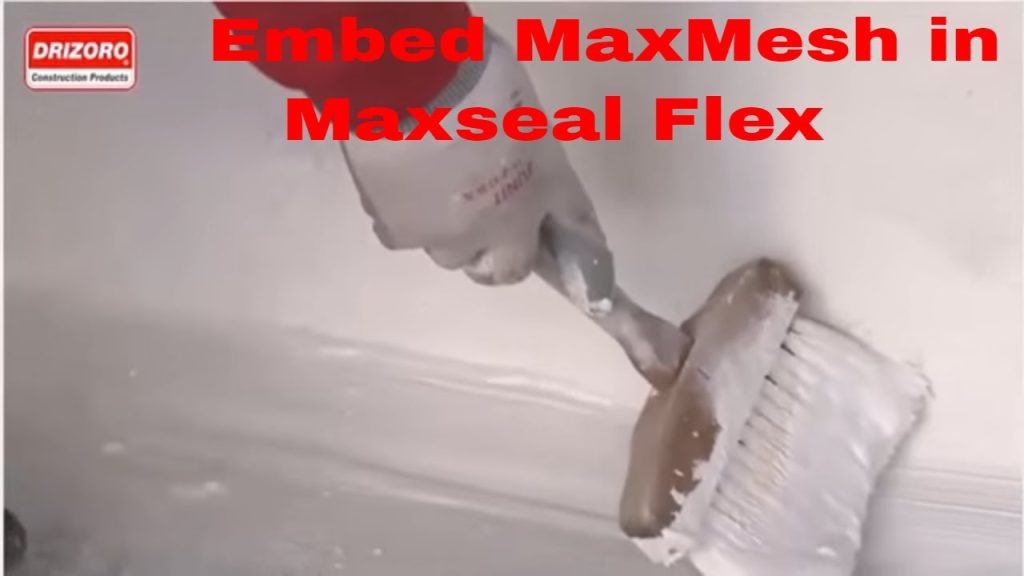
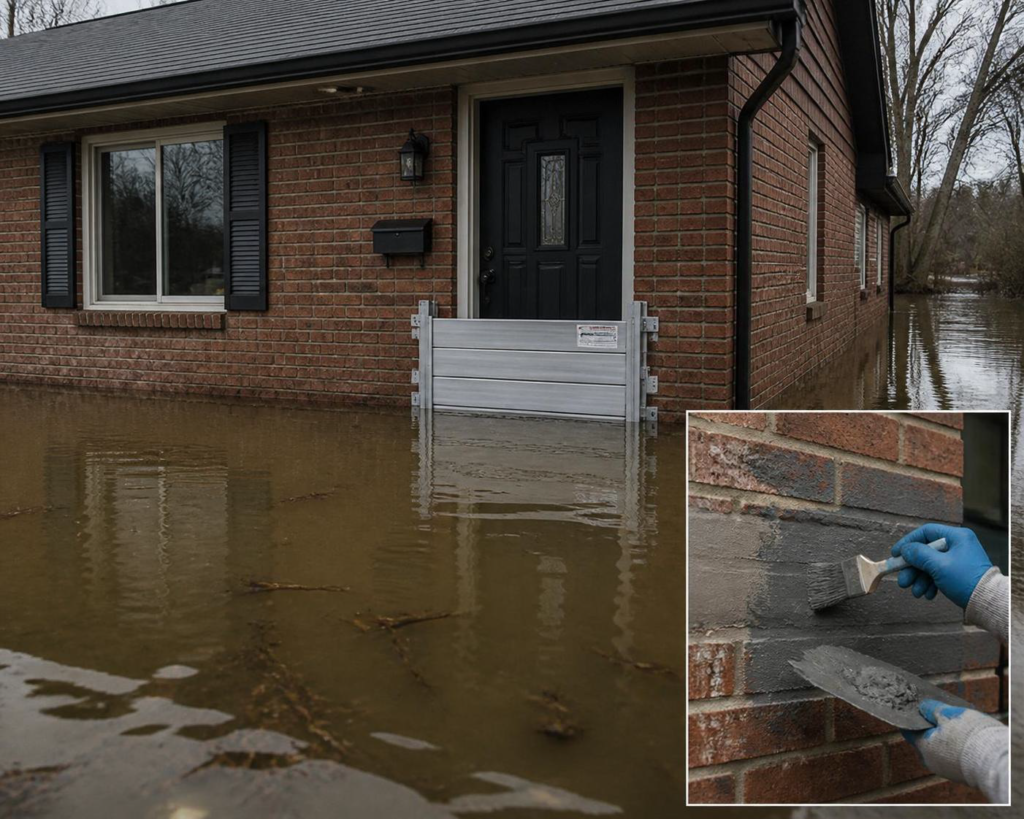
Drizoro is a high-performance cementitious waterproofing and repair product that’s ideal for protecting brick masonry walls from flood exposure. Applied as a thin, cement-based coating over exterior brickwork and mortar joints, it seals pores and hairline cracks, improving water resistance and reducing capillary rise that draws moisture into walls; use it at and just above expected flood levels (splash zone), paying special attention to ground-facing brickwork, step-downs, wall bases, and around openings like vents or weep holes. For best results, prepare surfaces by cleaning and removing loose material, repair any larger cracks or damaged mortar first, apply per manufacturer instructions in two coats, and consider combining Drizoro with physical flood barriers and good site drainage for layered protection.
3. Safeguarding Interior Belongings
When water is kept out, furniture, appliances, and personal items remain protected. This reduces the need for replacements and lowers overall repair costs. In many cases, preventing entry is far more effective than dealing with damage afterward.
4. Preventing Drainage Backflow
Floodwater can carry contaminants. Non-return valves help stop water from flowing back through drains into the home. This is an important feature in areas with older drainage systems.
Benefits of Installing Flood Barriers
Installing a flood barrier for home offers several practical benefits. The most important is cost savings. Preventing damage is less expensive than repairing it. Insurance claims may also be reduced when protective measures are in place.
Temporary flood barriers are quick to install. This makes them useful during emergency situations when time is limited.
They are also durable and designed for repeated use. Compared to sandbags, which can be messy and less reliable, modern barriers provide a cleaner and more effective solution.
Choosing the Right Barrier for Your Home
Selecting the right system depends on several factors. The type of property, its location, and the level of flood risk should all be considered. Some homes are more vulnerable to slow-rising water, while others may face sudden flooding.
A professional assessment can help guide this decision. Working with a flood consultant allows homeowners to understand their specific risks and choose the most suitable solution.
New Approaches in Flood Protection
Flood protection systems are improving with new technology. Some providers now offer Flood Protection-as-a-Service, where systems are installed and maintained as part of an ongoing plan.
There are also smart barriers that activate automatically when water reaches a certain level. These systems reduce the need for manual setup and can respond quickly in changing conditions.
Groups such as the flooding solutions advisory group are developing customised solutions for different property types. This includes options for urban homes and properties built on elevated structures.
When to Install Flood Barriers
The best time to install flood barriers is before the risk becomes immediate. Preparing ahead of the flood season allows time for proper setup and testing.
Some homeowners choose to install barriers after experiencing flood damage. While this is common, early preparation is always more effective. Property upgrades or renovations can also be a good time to include flood protection systems.
Why Professional Support Matters
Flood protection is not always simple. Each property has different conditions, and a standard solution may not always work. Professional guidance helps ensure that the right system is selected and installed correctly.
Consultants can assess risks, recommend suitable options, and provide ongoing support. Companies such as Ireact Consulting offer services that help homeowners maintain and improve their flood protection over time.
How Flood Barriers for Homes Help Reduce Water Damage
A flood barrier for home is a practical and reliable way to reduce the risk of water damage. While it cannot prevent flooding entirely, it can limit the impact. Flood barriers gates and doors can redirect and block water pathways
Taking preventive steps early makes a noticeable difference. In many cases, the effort and cost involved in installing barriers are small compared to the potential damage they help avoid.

Previous Article
Water Leaks Appearing in the Concrete Driveway – Drizoro It!Next Article
14 Waterproofing Myths: What Actually Works